More than a sensor
One sensor sees the whole room
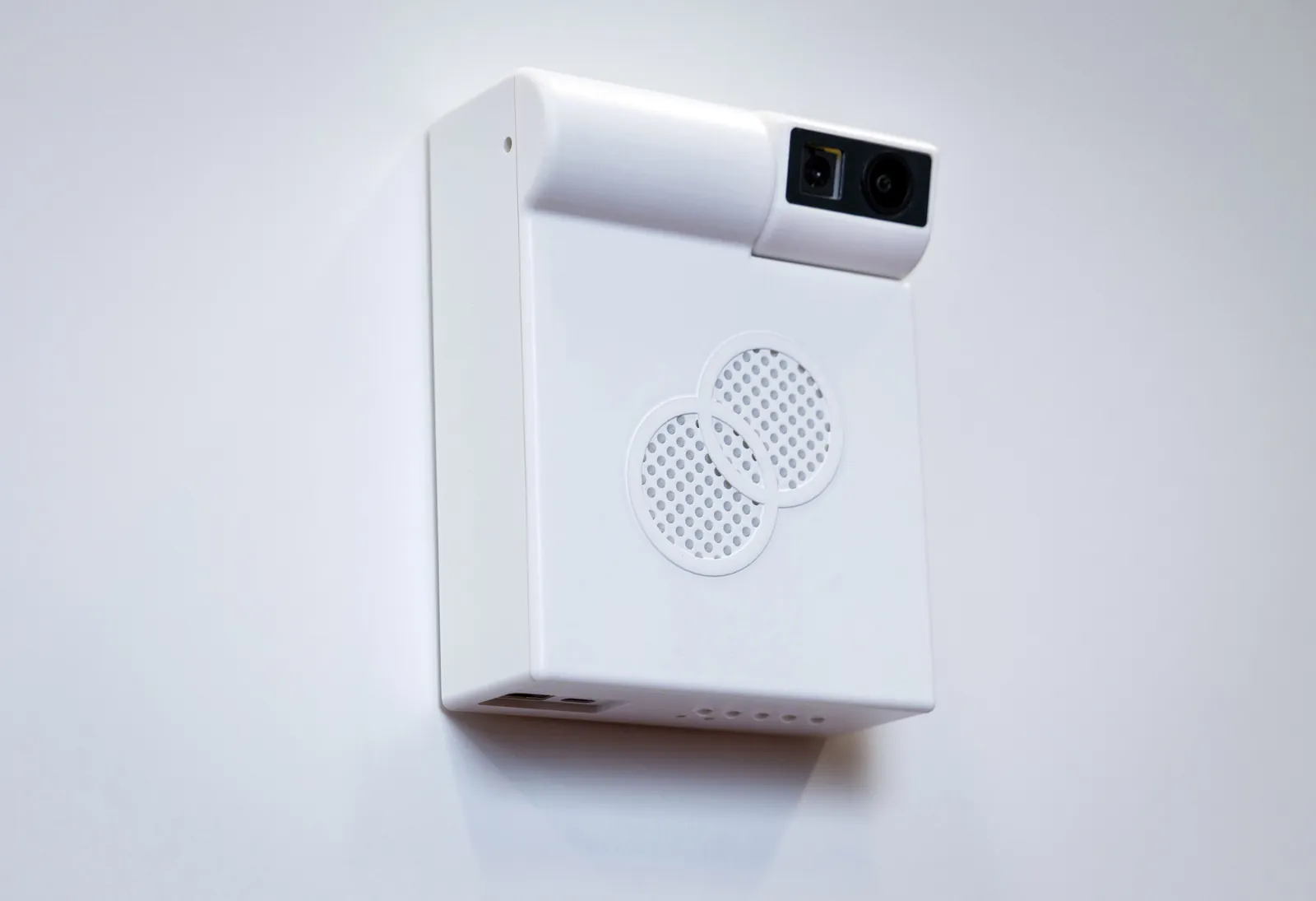
Mounts on the wall and passively captures activity. Connects with other sensors and data sources.
Private by design
Sees how the hospital runs, not who is in it
Thermal sensing picks up heat and movement, not faces or identities. The AI runs on the device, so images never leave the room. Only events do.
Live
Every room, as it happens
The sensor reports each room’s state as it changes. Teams get an alert by app, SMS or email when a room is ready, a case is wrapping up or a list is running late.
Utilization
See how every OR is used
Daily hours per room against capacity, built from what the sensor sees. Nobody keys in a time.
Time of day
Find the busy hours
Utilization by time of day shows when rooms sit idle and where block time goes unused.
Surgeon performance
Compare surgeons fairly
Volume, timing and accuracy on one scale, from the same data for everyone.
Or just ask Cara
Cara knows every room, every case and every minute your sensors have seen. Pick a question.
Support staff
Robots that act on what sensors see
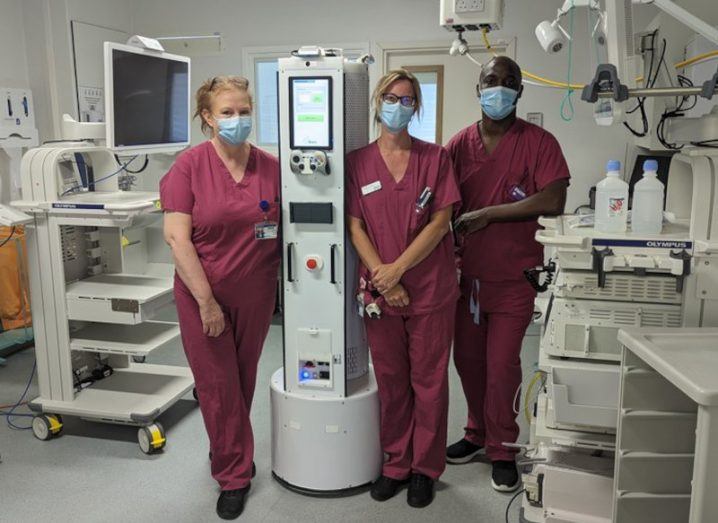
An autonomous UV-C robot that disinfects while staff stay in the room, sent where it’s needed by what the sensors detect.